Serving Delray Beach, FL and surrounding areas. (561) 407-6988
StrongMark Delray Beach Sunrooms is a sunroom contractor serving Fort Lauderdale, FL with custom sunrooms, patio enclosures, and four season rooms designed for waterfront properties, concrete block homes, and hurricane-rated coastal construction. We have built sunrooms throughout Broward County since 2015 and respond to all inquiries within one business day.
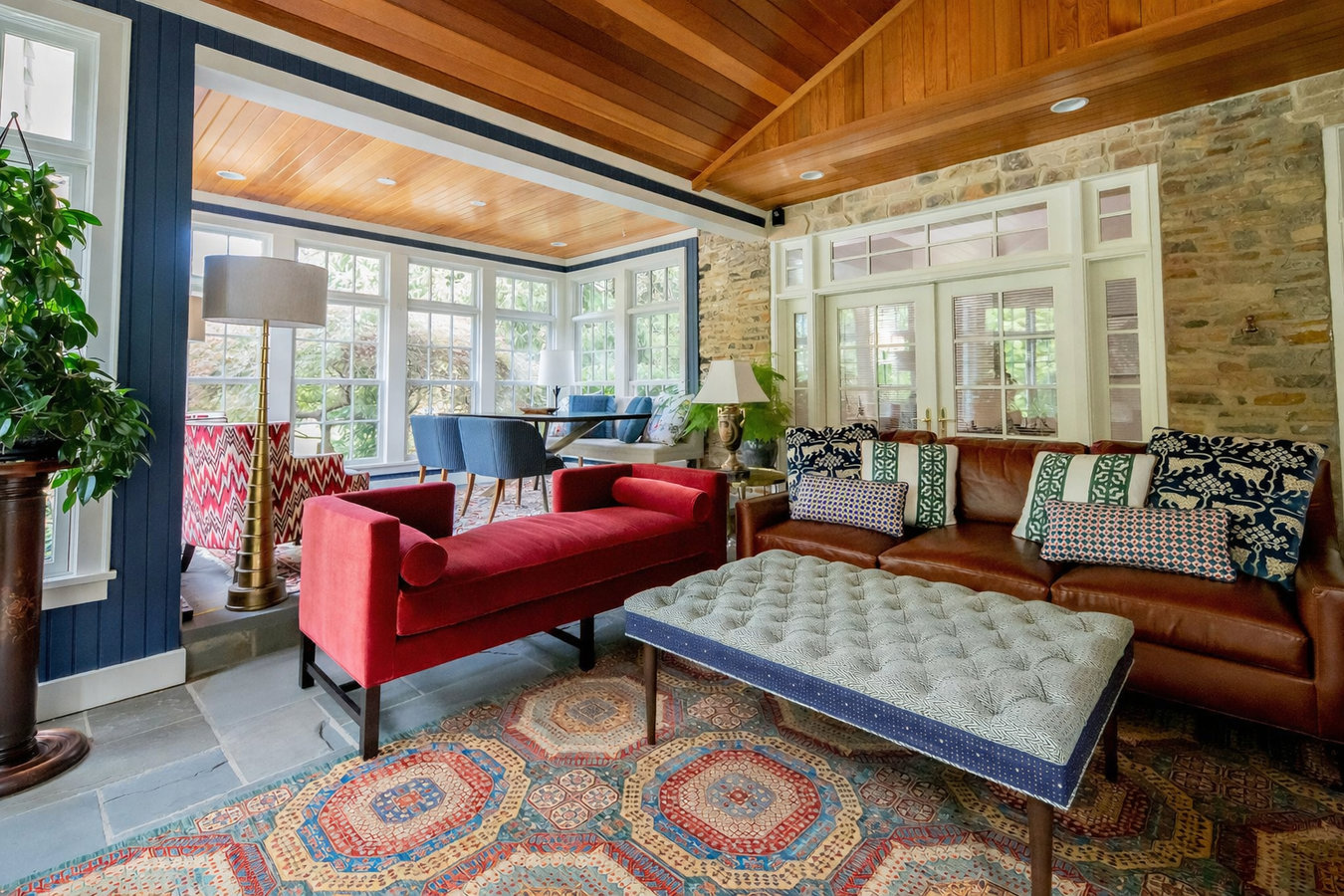
Fort Lauderdale has a wide range of home styles - from historic bungalows in Sailboat Bend to newer waterfront estates along the Intracoastal. Sunroom design starts with understanding your home's specific architecture, your property's drainage and foundation conditions, and your HOA's requirements if you live in a managed community. A well-designed sunroom matches your home's character and solves the practical challenges your specific property presents.
Fort Lauderdale's heat and humidity do not take a break, and a sunroom without air conditioning will be unusable for six months of the year. A four season sunroom with proper insulation, low-E glass, and climate control gives you a comfortable room year-round, not just during the brief cooler months from December through March.
Many Fort Lauderdale homes have concrete patios that face the canal or backyard but sit unused because of rain, bugs, and afternoon heat. A patio enclosure transforms that space into a protected outdoor room without the cost and complexity of a full sunroom addition, and it uses your existing slab so foundation work is minimal.
Waterfront properties in Fort Lauderdale often have unique layouts, tight setbacks, and site conditions that rule out prefabricated kits. A custom sunroom is designed to fit your specific lot, match your home's architecture, and meet the structural requirements that come with building on canal or Intracoastal properties where soil stability and drainage are serious concerns.
Most Fort Lauderdale homes built before 1990 use concrete block construction, which requires different framing, anchoring, and waterproofing techniques than wood-frame homes. Sunroom construction on CBS homes means drilling into concrete, using specific fasteners, and sealing penetrations properly so water cannot get behind the new structure and damage your existing home.
If you primarily use your outdoor space from November through April when the weather is pleasant, a screen room installation gives you bug protection and light rain coverage without the cost of a fully enclosed sunroom. This is a practical choice for homeowners who understand the space will be too hot to use in summer but want a comfortable outdoor room during the cooler months.
Fort Lauderdale has more than 300 miles of inland waterways, and thousands of homes sit directly on canals, the Intracoastal, or within a block or two of the Atlantic Ocean. Building a sunroom on a waterfront property is not the same as building on a standard inland lot. These properties have high water tables, tidal movement, salt air exposure, and existing seawalls or bulkheads that affect how a new structure is designed and built. A contractor who does not account for these conditions will build a room that shifts, leaks, or develops drainage problems within the first few years.
The second challenge is the age and construction type of the housing stock. A large share of Fort Lauderdale's homes were built between the 1950s and 1980s using concrete block construction, not wood framing. CBS homes require different anchoring, flashing, and waterproofing techniques than wood-frame houses, and a contractor who does not work with concrete block regularly will not know how to attach a sunroom properly. Add to that the city's hurricane risk - Fort Lauderdale sits in a high-wind zone where every new structure must be built to withstand sustained winds well above what most of the country ever experiences - and you have a construction environment where cutting corners or working from generic plans creates real problems. Local knowledge is not a luxury here, it is a requirement.
Our crew has worked on waterfront properties throughout Fort Lauderdale for nearly a decade, pulling permits through Broward County Building Division and navigating the unique challenges that come with building on canal and Intracoastal lots. We know how to assess seawall condition, account for high water tables, and design foundations that hold up under tidal movement and storm surge.
Fort Lauderdale is a large, diverse city with neighborhoods that range from historic districts like Sailboat Bend to waterfront estates in Rio Vista and Victoria Park. Las Olas Boulevard runs through the heart of the city, connecting downtown to Fort Lauderdale Beach, and the Intracoastal Waterway defines the eastern edge of the city's residential core. The city has a mix of long-term homeowners and seasonal residents, and homes near the beach or waterways face salt air exposure that accelerates wear on exterior surfaces and metal hardware.
We also work in nearby communities including Boca Raton and Pompano Beach, where similar waterfront conditions and concrete block construction create the same challenges.
When you reach out by phone or online, we reply within one business day to schedule a site visit. We ask a few basic questions about your property - whether it is waterfront, when it was built, and if you have HOA requirements - so we arrive prepared with the right tools and ideas rather than showing up cold.
We visit your home to measure the space, assess the existing foundation and structure, and look at drainage, soil conditions, and any waterfront features like seawalls or docks. The visit takes 30 to 60 minutes, and we provide a written estimate that breaks down costs by category. We address cost concerns during this visit and explain what drives pricing on your specific property so you understand where your money is going.
Once you sign the contract, we handle the permit application through Broward County and, if needed, prepare your HOA submission package. This phase typically takes two to six weeks. We manage the process so you do not need to visit any office or chase down paperwork, and we keep you updated on the timeline.
Once permits are approved, work begins with foundation prep, followed by framing, roofing, and window installation. Construction typically takes three to eight weeks depending on size and complexity. County inspectors review the work at key stages, and once the final inspection passes, the room is complete and ready to use.
Whether your property is on a canal, near the beach, or in one of the city's inland neighborhoods, we have the experience to build a sunroom that holds up. Call today for a free estimate.
Fort Lauderdale is a city of about 182,000 people on the Atlantic coast of Broward County, known for its extensive canal system, waterfront properties, and Fort Lauderdale Beach. The city has more than 300 miles of inland waterways - earning it the nickname "The Venice of America" - and thousands of homes sit directly on canals with private docks and seawalls. Neighborhoods range from historic districts like Sailboat Bend and Flagler Village to upscale waterfront communities like Rio Vista and Victoria Park. The median home value in Fort Lauderdale exceeds $400,000, and the city has a mix of long-term homeowners and seasonal residents.
Most single-family homes were built between the 1950s and 1980s using concrete block construction, which was standard practice in South Florida during that era because of hurricane risk and termite pressure. The city has a high concentration of condos and townhomes, particularly near the beach and along the waterways. Major landmarks include Las Olas Boulevard, the Intracoastal Waterway, and Fort Lauderdale Beach. The tourism industry is a major part of the local economy, and homes near the beach or waterways face accelerated wear from salt air and humidity. We also serve nearby waterfront communities including Deerfield Beach and Pompano Beach, where similar coastal conditions and construction challenges exist.
From waterfront properties to inland homes, we build sunrooms that hold up in South Florida conditions. Call now or request an estimate online.